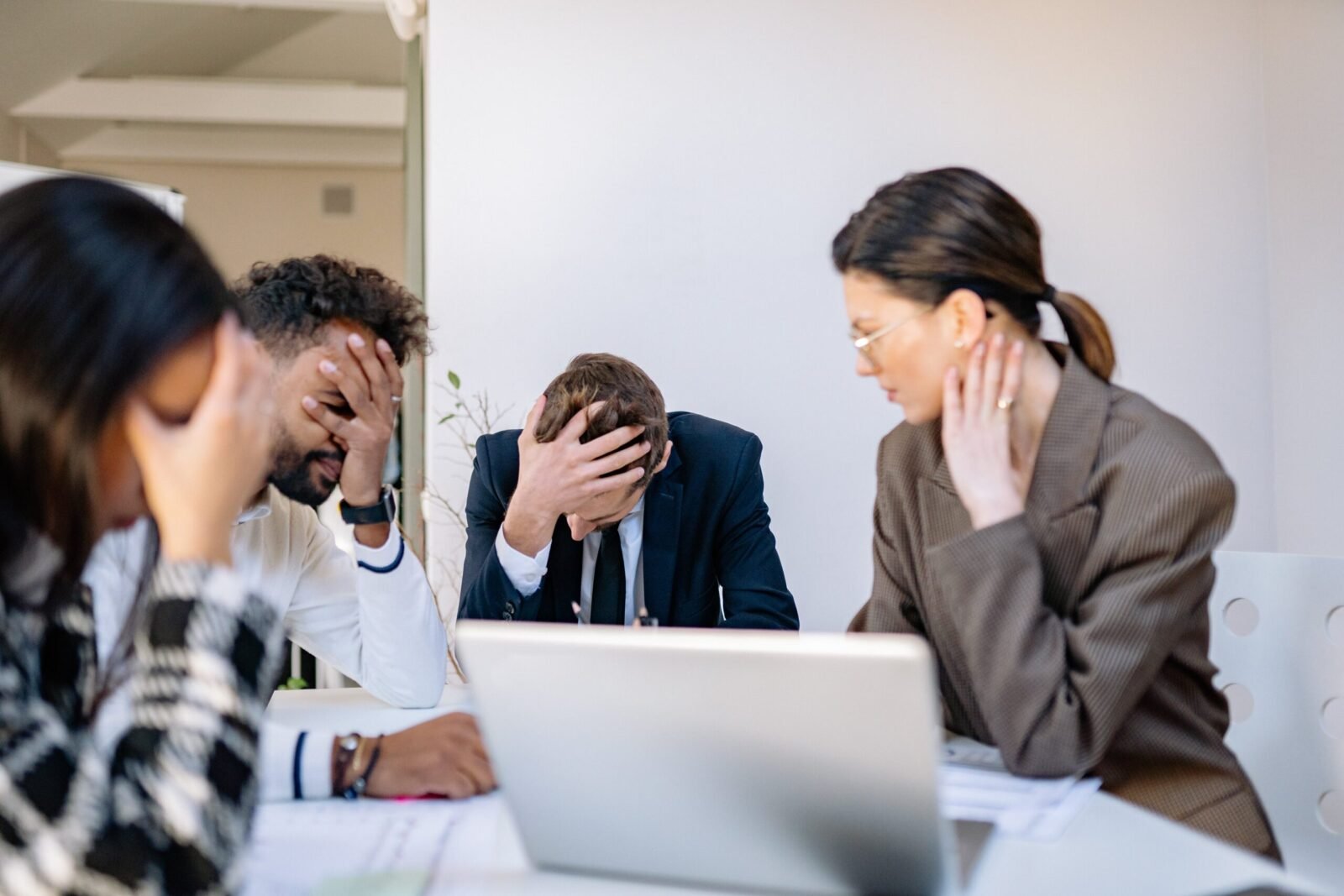
Stress has become a constant companion in modern life. From work deadlines and financial pressures to relationship challenges and information overload, stress influences almost every aspect of our existence. Understanding how stress affects your daily life and behavior is the first step toward managing it effectively and protecting your health.
This in-depth guide explores the real ways stress shapes your body, mind, emotions, and actions.
What Is Stress?
Stress is your body’s natural response to any demand or threat. It triggers the “fight-or-flight” response, releasing hormones like cortisol and adrenaline.
There are two main types:
- Acute Stress: Short-term, like preparing for a presentation or dealing with traffic. Can be motivating (called eustress).
- Chronic Stress: Long-term, ongoing pressure that wears down your system (known as distress).
While some stress is normal and even beneficial, excessive or prolonged stress can significantly disrupt your daily functioning.
Physical Effects of Stress on Daily Life
Stress doesn’t just feel bad — it creates measurable changes in your body:
- Energy and Fatigue: Chronic stress exhausts your adrenal system, leading to constant tiredness even after sleep.
- Sleep Disruption: High cortisol levels make it harder to fall asleep or stay asleep, creating a vicious cycle.
- Digestive Issues: Stress slows or speeds up digestion, causing stomachaches, bloating, diarrhea, or constipation.
- Muscle Tension and Pain: Common in neck, shoulders, and back — often resulting in headaches or migraines.
- Weakened Immune System: You catch colds more frequently and recover slower.
- Cardiovascular Strain: Increased heart rate and blood pressure raise long-term risk of heart disease.
- Appetite Changes: Some people overeat (stress eating, especially comfort foods), while others lose appetite entirely.
Daily Impact: You might skip workouts, feel too drained for hobbies, or rely on caffeine and sugar to push through the day.
How Stress Affects Your Behavior
Stress significantly alters how you act and interact with the world:
- Irritability and Short Temper
Small things that normally wouldn’t bother you trigger strong reactions. You may snap at family members or colleagues more easily. - Procrastination or Overworking
Some people avoid tasks due to overwhelm, while others become workaholics trying to regain control. - Social Withdrawal
You cancel plans, isolate yourself, or become less engaged with friends and loved ones. - Impulsive Decisions
Stress impairs judgment, leading to impulsive spending, unhealthy eating, risky behaviors, or emotional outbursts. - Neglect of Self-Care
Skipping meals, poor hygiene, reduced exercise, or increased alcohol/smoking. - Nail-biting, Teeth Grinding, or Fidgeting
These unconscious habits often increase under stress. - Avoidance Coping
Binge-watching shows, doom-scrolling on social media, or other escapist behaviors.
Mental and Emotional Effects
Stress profoundly influences your inner world:
- Anxiety and Racing Thoughts: Constant worry about the future.
- Difficulty Concentrating: “Brain fog” makes focus, memory, and decision-making harder.
- Mood Swings: From sadness and hopelessness to frustration and anger.
- Burnout: Emotional exhaustion where nothing feels rewarding anymore.
- Negative Self-Talk: Increased self-criticism and feelings of inadequacy.
These changes directly affect productivity, creativity, and overall life satisfaction.
How Stress Impacts Key Areas of Life
Work and Productivity
Stress initially boosts performance (via adrenaline), but chronic stress leads to decreased efficiency, more mistakes, higher absenteeism, and eventual burnout.
Relationships
Communication suffers. You may become emotionally unavailable, argumentative, or overly dependent. Intimacy often decreases.
Parenting and Family Life
Stressed parents are more likely to be impatient or inconsistent, affecting children’s emotional security.
Financial Behavior
Stress can lead to both impulsive spending (retail therapy) and financial paralysis (avoiding bills).
Health Habits
People under stress are more likely to skip medical checkups, ignore symptoms, or self-medicate with substances.
Long-Term Consequences of Unmanaged Stress
- Increased risk of depression, anxiety disorders, and PTSD.
- Higher chance of obesity, diabetes, and autoimmune conditions.
- Accelerated aging and cognitive decline.
- Strained or broken relationships.
- Reduced overall life expectancy.
Signs That Stress Is Affecting Your Daily Life
- Feeling overwhelmed by routine tasks
- Frequent emotional outbursts
- Changes in eating or sleeping patterns
- Persistent fatigue or unexplained aches
- Increased reliance on alcohol, caffeine, or screens
- Loss of interest in activities you once enjoyed
How to Manage and Reduce the Effects of Stress
The good news is that you can interrupt the stress cycle:
- Practice Mindfulness and Meditation — Even 10 minutes daily lowers cortisol.
- Exercise Regularly — Physical activity releases endorphins and burns stress hormones.
- Improve Sleep Hygiene — Consistent bedtime routine is crucial.
- Build a Support Network — Talk to friends, family, or a therapist.
- Time Management Techniques — Break tasks into smaller steps and learn to say “no.”
- Healthy Lifestyle Choices — Balanced diet, hydration, and limiting caffeine/alcohol.
- Breathing Exercises — The 4-7-8 technique or box breathing can quickly calm the nervous system.
- Professional Help — Therapy (especially CBT) and, when needed, medical support.
Conclusion: Take Back Control of Your Life
Stress is inevitable, but its harmful effects on your daily life and behavior don’t have to be. By recognizing the signs early and implementing healthy coping strategies, you can transform stress from a destructive force into manageable pressure that helps you grow.
Understanding how stress affects your daily life gives you the power to make intentional changes. Small daily habits compound into significant improvements in energy, mood, relationships, and overall well-being.
Start today: Identify one area where stress is showing up most strongly in your behavior, and take one small step to address it.
Ready to reduce stress? Try a simple breathing exercise right now or download a mindfulness app.
Related searches: signs of chronic stress, how to reduce stress naturally, effects of stress on mental health, stress management techniques, cortisol and health, burnout symptoms and recovery.