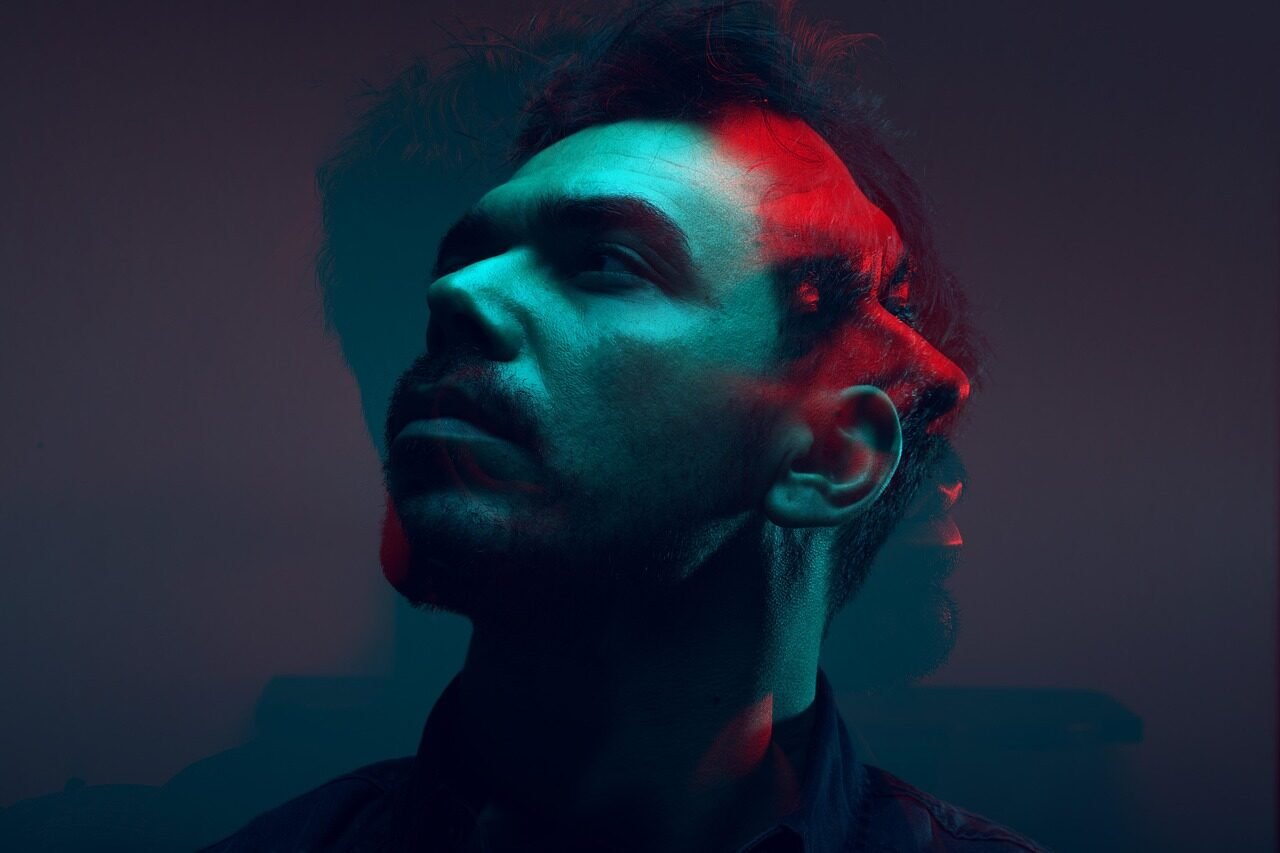
Have you ever wondered why you’re drawn to certain colors? Whether it’s a deep navy blue, vibrant red, or calming green, your favorite color can reveal surprising clues about your personality, emotions, and behavior. While not a strict scientific test, color psychology offers fascinating insights backed by research and observations.
This in-depth guide explores what your favorite color says about you, the science behind it, and how understanding this can boost self-awareness.
The Psychology of Color: How It Works
Color psychology studies how colors influence human emotions, perceptions, and actions. Colors affect us biologically, culturally, and personally. Research shows they can impact heart rate, mood, and even purchasing decisions.
Your favorite color often reflects:
- Core personality traits
- Emotional needs
- Current life stage or mood
- Subconscious preferences
While genetics and experiences play roles, studies (including those from University of Cambridge and various marketing researches) link specific colors to consistent personality patterns.
Important Note: This is not definitive like the Big Five personality model. Your favorite color offers fun, symbolic insights rather than rigid labels.
What Your Favorite Color Reveals About You
Red: Passionate and Bold
- Personality traits: Energetic, confident, ambitious, competitive, and action-oriented.
- Strengths: Natural leaders, passionate lovers, quick decision-makers.
- Challenges: Can be impulsive, short-tempered, or domineering.
- Famous red lovers: Often associated with high achievers and thrill-seekers.
- Life reflection: You thrive on excitement and may currently seek more adventure or intensity.
Blue: Calm and Reliable
- Personality traits: Peaceful, trustworthy, analytical, loyal, and thoughtful.
- Strengths: Excellent communicators, deep thinkers, great team players.
- Challenges: May overthink or struggle with expressing emotions.
- Most popular color: Many studies show blue as the world’s favorite, reflecting a desire for stability and harmony.
- Life reflection: You value order, honesty, and meaningful connections.
Green: Balanced and Growth-Oriented
- Personality traits: Practical, compassionate, harmonious, nature-loving, and stable.
- Strengths: Empathetic, good at nurturing relationships and projects.
- Challenges: Can be overly cautious or resistant to change.
- Life reflection: You’re often in a growth phase or seeking balance, health, and renewal.
Yellow: Optimistic and Creative
- Personality traits: Cheerful, spontaneous, intellectual, and sociable.
- Strengths: Innovative thinkers, great at inspiring others, high energy.
- Challenges: May struggle with focus or become scattered.
- Life reflection: You crave positivity, new ideas, and mental stimulation.
Orange: Adventurous and Enthusiastic
- Personality traits: Outgoing, playful, adventurous, and sociable.
- Strengths: Warm, fun-loving, excellent at motivating groups.
- Challenges: Can be disorganized or attention-seeking.
- Life reflection: You’re likely embracing change and seeking excitement.
Purple: Creative and Intuitive
- Personality traits: Imaginative, sensitive, spiritual, artistic, and mysterious.
- Strengths: Visionary, deeply empathetic, original thinkers.
- Challenges: May feel misunderstood or struggle with practicality.
- Life reflection: Strong connection to intuition, luxury, or personal transformation.
Pink: Gentle and Compassionate
- Personality traits: Nurturing, romantic, youthful, and optimistic.
- Strengths: Kind-hearted, great at making others feel loved.
- Challenges: Can avoid conflict or struggle with assertiveness.
- Note: Darker pinks or blush tones often indicate maturity and elegance.
Black: Independent and Strong
- Personality traits: Sophisticated, mysterious, powerful, and introspective.
- Strengths: Resilient, elegant, protective of personal energy.
- Challenges: May appear distant or struggle with vulnerability.
- Life reflection: Often a desire for control, elegance, or emotional protection.
White: Pure and Peaceful
- Personality traits: Honest, organized, optimistic, and minimalist.
- Strengths: Clear-minded, graceful under pressure.
- Challenges: Can be perfectionistic or emotionally reserved.
Gray: Balanced and Practical
- Personality traits: Calm, composed, neutral, and diplomatic.
- Strengths: Excellent mediators, logical thinkers.
- Challenges: May avoid strong emotions or commitment.
Brown: Grounded and Reliable
- Personality traits: Stable, honest, hardworking, and down-to-earth.
- Strengths: Loyal, practical, great with responsibilities.
How Culture and Context Influence Color Preferences
Color meanings can vary across cultures. For example:
- White symbolizes purity in Western cultures but mourning in some Eastern ones.
- Red represents luck and prosperity in China.
Your current favorite color may also shift during life transitions — many people temporarily prefer blue during stressful periods for its calming effect.
Limitations of Color Personality Insights
- Not Scientifically Rigorous: While studies exist, results are correlational, not causal.
- Multiple Favorites: Many people love 2–3 colors, revealing a more complex personality blend.
- Mood vs. Core Personality: Temporary preferences may reflect current emotions rather than fixed traits.
For a fuller picture, combine this with tools like the Big Five personality test.
How to Use Color Psychology in Daily Life
- Wardrobe Choices: Wear colors that reflect the energy you want to embody.
- Home and Workspace: Decorate with colors that support your goals (e.g., green for calm productivity).
- Personal Growth: If you want more confidence, incorporate red accents.
- Gifting: Choose colors aligned with the recipient’s personality.
Conclusion: Colors as Windows to the Self
Your favorite color offers a beautiful, symbolic glimpse into your inner world — revealing desires, strengths, and emotional needs. Whether you’re drawn to fiery red or serene blue, these preferences reflect parts of your unique personality.
Use this knowledge for greater self-understanding and intentional living. Colors don’t define you completely, but they can guide you toward balance, growth, and authenticity.
Next time you choose an outfit or paint a room, remember: you’re expressing a deeper part of who you are.
Frequently Asked Questions (FAQs)
Does your favorite color really reveal personality?
It provides interesting insights based on color psychology, but it’s more symbolic than scientifically definitive. Best used alongside other personality tools.
What if I don’t have one favorite color?
Loving multiple colors is common and often indicates a well-rounded, adaptable personality.
Can your favorite color change over time?
Yes. Life experiences, mood, and personal growth frequently shift color preferences.
What color is associated with intelligence?
Blue and yellow are often linked to intellect, clarity, and creativity.
What does it mean if black is my favorite color?
It often reflects a strong, independent, and introspective nature with a desire for power and sophistication.
Understanding what your favorite color says about your personality adds a fun, insightful layer to self-discovery. Pay attention to the colors around you — they might be telling a meaningful story.