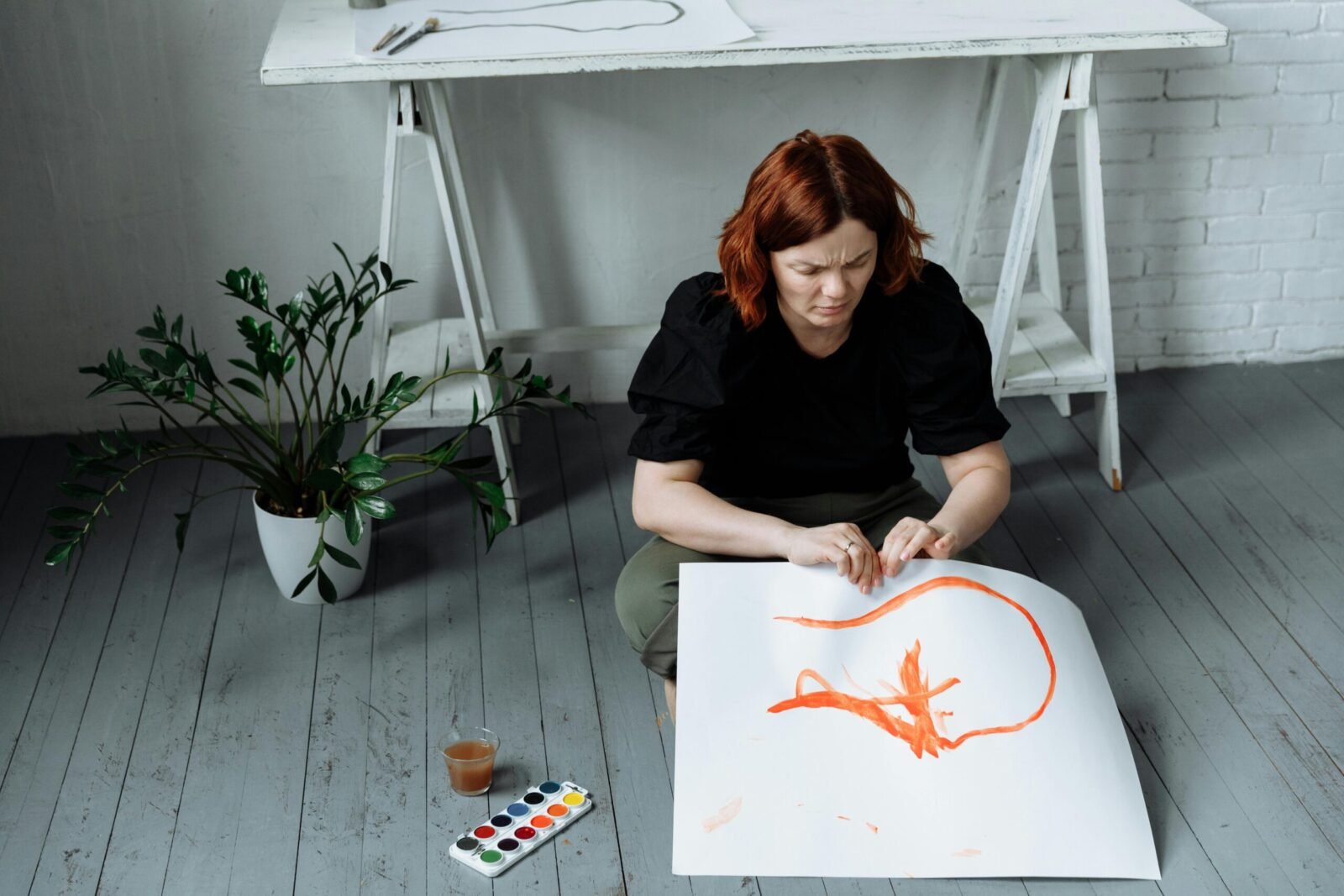
Creativity isn’t limited to artists, musicians, or writers. It appears in problem-solving at work, innovative cooking, or finding unique solutions in everyday life. Understanding the psychological signs of a creative mind can help you identify your own creative potential and nurture it for greater fulfillment and success.
This in-depth guide explores the key traits, backed by psychology research, that distinguish creative thinkers.
What Is a Creative Mind?
A creative mind generates novel and valuable ideas. Psychologist J.P. Guilford distinguished between:
- Divergent Thinking: Generating many possible solutions (creative)
- Convergent Thinking: Finding the single best solution (analytical)
Creative people excel at divergent thinking while also knowing when to switch to focused execution. Research shows creativity involves a complex interaction between personality, cognition, and environment.
Top Psychological Signs of a Creative Mind
Here are the most common and well-researched indicators:
- High Openness to Experience
Creative individuals score high on the “Openness” trait in the Big Five personality model. They are curious, imaginative, and eager to explore new ideas, cultures, and sensations. They enjoy complexity and abstract thinking rather than routine. - Divergent Thinking Ability
They naturally generate multiple ideas for a single problem. When asked “How many uses can you think of for a brick?”, creative minds produce unusual, detailed answers. - Tolerance for Ambiguity
While many people feel uncomfortable with uncertainty, creative minds thrive in it. They can stay productive even when answers aren’t clear, allowing original ideas to emerge. - Frequent Mind-Wandering and Daydreaming
Studies using fMRI scans show that creative people have more active default mode networks (the brain’s daydreaming system). What looks like “zoning out” is often incubation time for breakthrough ideas. - Strong Pattern Recognition and Idea Connection
They see links between seemingly unrelated concepts — a hallmark of creativity. This ability to combine ideas from different domains leads to innovation (e.g., Steve Jobs combining calligraphy and technology). - Emotional Depth and Sensitivity
Many creative people experience emotions more intensely. This emotional richness provides raw material for art, writing, and empathetic problem-solving. However, it can also lead to mood swings. - Nonconformity and Independence
Creative minds question norms and resist groupthink. They are comfortable being different and often prefer working alone or in small, stimulating groups. - Playfulness and Sense of Humor
They maintain a childlike curiosity and don’t take themselves too seriously. Playfulness reduces mental blocks and encourages experimentation. - Intrinsic Motivation
They create for the joy of it rather than external rewards. This internal drive helps them persist through challenges and rejection. - Cognitive Flexibility
Creative people can switch between focused attention and broad, associative thinking. They adapt their thinking style based on what the situation demands.
Strengths and Challenges of a Creative Mind
Strengths:
- Innovative problem-solving
- Adaptability in changing environments
- Rich inner world and self-expression
- Potential for groundbreaking contributions
Challenges:
- Difficulty with routine tasks and structure
- Higher risk of anxiety, depression, or burnout
- Overthinking or perfectionism
- Feeling misunderstood by more conventional people
Studies show creative people often have a higher prevalence of mood disorders, but many also develop exceptional resilience.
How Creativity Differs Across Personality Types
- INTJ/ENTP/INFP/ENFP (MBTI): Often show strong creative traits due to intuition and thinking flexibility.
- Highly Sensitive Persons (HSPs): Frequently creative due to deeper processing of experiences.
- Ambiverts: May have an advantage as they balance solitude (needed for creation) with social stimulation (needed for inspiration).
How to Nurture and Develop a Creative Mind
Even if you don’t show all the signs, you can strengthen your creativity:
- Practice Divergent Thinking daily with brainstorming exercises.
- Expose yourself to new experiences — travel, read widely, learn new skills.
- Schedule unstructured time for mind-wandering.
- Keep an idea journal to capture thoughts without judgment.
- Embrace failure as part of the creative process.
- Engage in flow activities (painting, writing, coding) where time seems to disappear.
- Collaborate with different types of thinkers to spark new ideas.
- Limit excessive screen time and allow boredom to fuel imagination.
The Science Behind Creative Minds
Neuroscience reveals that creative thinking involves communication between the brain’s default mode network (imagination) and executive control network (focus). Creative people show greater connectivity between these networks. Environmental factors like psychological safety and autonomy also play major roles.
Conclusion: Celebrating the Creative Mind
Recognizing the psychological signs of a creative mind helps validate unique ways of thinking that society sometimes undervalues. Whether you’re a professional innovator, hobbyist, or parent finding creative solutions daily, your creative traits are powerful assets.
Creativity isn’t a rare gift — it’s a mindset and set of habits that can be developed. By understanding and embracing these psychological signs, you can unlock greater innovation, self-expression, and joy in your life.
Embrace your creative quirks. The world needs more original thinkers.
Ready to test your creativity? Try a 10-minute divergent thinking exercise: List 20 unusual uses for a common object like a paperclip.
Related searches: signs of a creative person, how to increase creativity, divergent thinking exercises, Big Five openness trait, nurturing creativity in adults, creative mind vs analytical mind.